
Needing help with online marketing?
What Australian Customers Notice in the First 10 Seconds on Your Website
Share this post
You've probably done it yourself dozens of times without noticing.
You land on a business website and, within seconds, make a judgement about whether the company looks credible, professional and worth your time. You might not have read more than a headline or looked beyond the first screen, but an impression has already formed.
Potential customers do exactly the same thing when they visit your website.
Website design, loading speed, mobile usability, images, navigation and the words at the top of the page all contribute to that first impression. If these elements work together, visitors have a reason to keep exploring. If they create confusion or doubt, it takes very little effort for someone to return to Google and choose another business.
Understanding what customers notice during those first few seconds can help you build a website that earns attention rather than loses it.
What Do Customers Notice First on a Website?
Visitors rarely analyse individual design elements one by one. They take in the website as a whole.
Layout is one of the first signals. A website with clear spacing, logical sections and an obvious hierarchy tends to be easier to understand than a page crowded with competing messages.
Typography also contributes to the impression. Fonts should be easy to read, headings should stand apart from body copy and text needs enough space to breathe.
Colour, photography and graphics can then reinforce the business's identity. Original photography can make a local business feel more genuine, while inconsistent imagery or excessive stock photography can make the website feel disconnected from the actual company.
Performance matters too. A slow-loading page, broken element or website that is difficult to use on a phone can undermine confidence before a visitor has properly read the content.
This is one reason SEO-friendly web design should consider design, website structure, mobile usability and search visibility together rather than treating each as a separate job.
The strongest first impressions usually come from websites where all these elements support the same message.
Good Website Design Helps Establish Trust Quickly
A visitor arriving on your website is often trying to answer several questions at once:
What does this business do?
Can it help me?
Does it look legitimate?
Does it operate in my area?
Why should I choose it instead of another business?
Customers may not consciously work through that checklist, but your website needs to provide the answers quickly.
For an Australian small business, that might mean showing the primary service clearly in the main heading, displaying the service area, using genuine business photography, making contact information easy to find and providing evidence that other customers have used the business successfully.
Reviews, industry memberships, qualifications, project examples, case studies and clear contact details can all help establish credibility.
Design is therefore more than decoration. It helps organise those trust signals so visitors can understand them without hunting through the website.
Businesses reviewing their existing website should look beyond whether it simply "looks good". A professional small business website should make the business easier to understand, easier to trust and easier to contact.
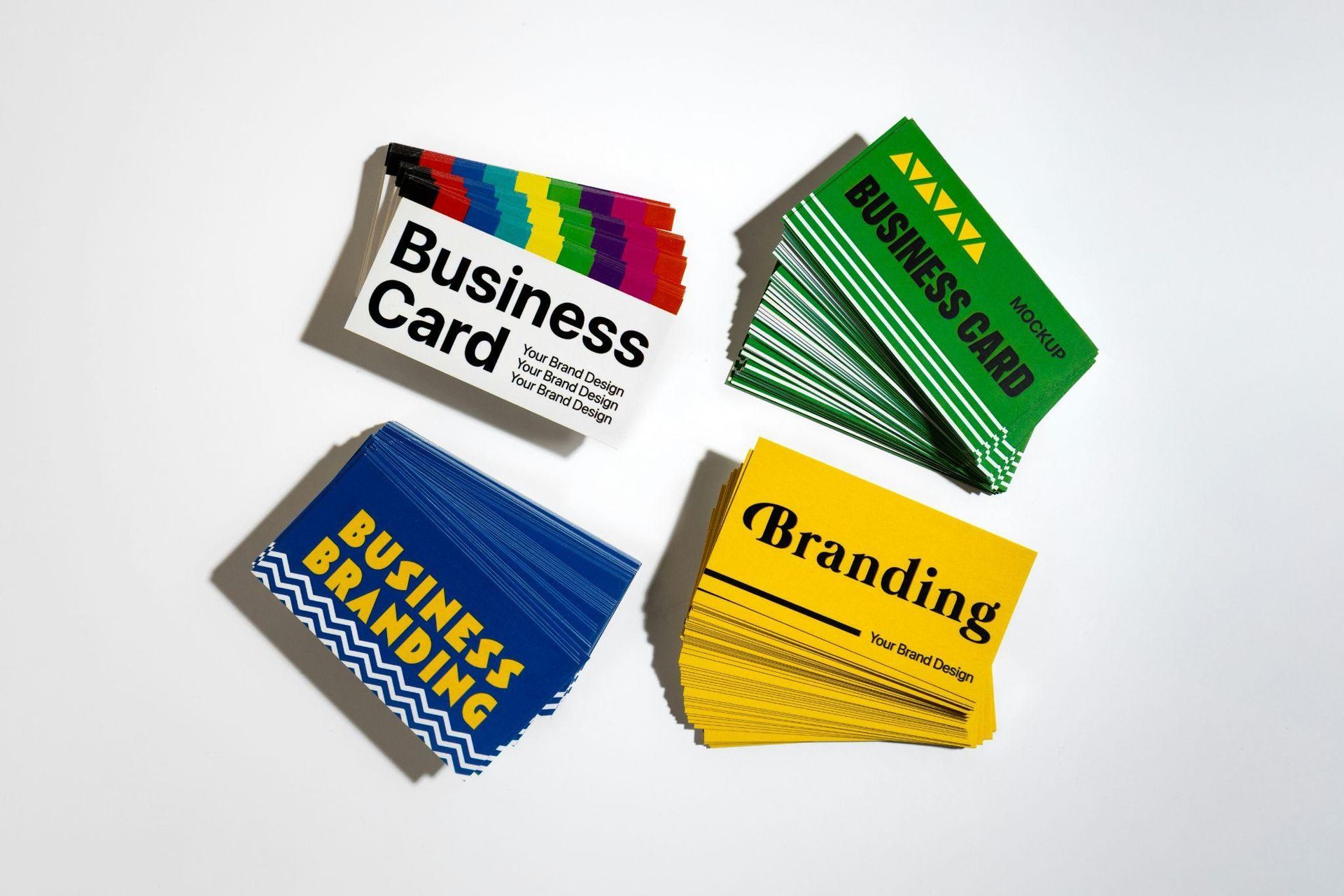
Website Branding Should Match the Business You Want Customers to See
Branding still plays an important part in the first ten seconds.
A premium professional service should not look like a discount retailer. A relaxed hospitality business probably should not feel like a corporate accounting firm. A local trades business needs a different visual approach from an online fashion store.
Good branding for Australian businesses helps create this connection between how a company wants to be perceived and how it actually presents itself online.
This does not mean every small business needs an elaborate visual identity.
Consistency matters more.
The logo, website colours, fonts, photography, written tone and supporting graphics should feel like parts of the same business. Visitors should not feel as though every section of the website was created at a different time by a different company.
The website should also align with the business's other customer touchpoints, including its Google Business Profile, social media accounts, email communication, signage and printed material.
When those elements feel connected, the business becomes easier to recognise and remember.
Clear Homepage Copy Tells Visitors They Are in the Right Place
Website design attracts the eye, but the words on the page explain what the visitor is actually looking at.
One of the most important areas is the first visible section of the homepage.
A visitor should not need to decode a clever slogan to understand what the business does. The main heading should communicate the core service, product or benefit clearly.
Compare a vague headline such as:
'Solutions Built Around You'
with something more specific:
'Emergency Plumbing Services Across Melbourne'
The second version immediately gives the visitor useful information.
Supporting copy can then explain who the service is for, where it is available or why the business is different.
Generic marketing phrases, unexplained jargon and long introductory paragraphs make visitors work harder. Clear, specific language makes the website easier to scan and gives customers confidence that they have landed in the right place.
This also creates a useful connection between website design and SEO. Search engines need clear page topics, while visitors need clear information. Well-structured headings and focused website copy can support both.
Mobile Website Design Can Make or Break the First Impression
A website might look excellent on a large desktop monitor but create a completely different experience on a phone.
On mobile, space is limited. Visitors see less of the page at once, which makes priorities even more important.
The main heading should remain readable. Navigation should be simple. Buttons need to be easy to tap. Contact information should be easy to reach. Images should scale correctly without hiding important information.
Website speed can also become more noticeable on mobile connections.
If visitors need to zoom, fight with menus, close intrusive pop-ups or wait for oversized images to load, the business has already introduced friction into the experience.
A mobile-friendly website should adapt naturally across different screen sizes rather than simply squeezing the desktop layout onto a smaller screen.
For many local businesses, this is especially important because a potential customer may be searching while travelling, comparing providers or trying to make immediate contact.
Your First Impression May Start Before Someone Visits Your Website
The ten-second website experience does not always begin on the website itself.
For many Australian businesses, the first contact happens in Google.
A potential customer might first see your business name, page title, search description, Google Business Profile, star rating, images or location information before deciding whether to visit the website.
That means there should be a clear connection between what someone sees in search results and what they see after clicking.
If a search result promises a particular service in Melbourne, the landing page should immediately confirm that service and location. If Google highlights strong reviews or particular products, the website should support the same impression.
This consistency reduces uncertainty.
It also demonstrates why Local SEO and website design should work together. SEO helps the right customer find the business. The website then needs to convince that customer to stay, make contact, request a quote, book or buy.
Getting the click is only the first part of the job.
Website Consistency Builds Customer Confidence
Inconsistency can quickly undermine an otherwise strong website.
You might have a professionally designed homepage but outdated service pages.
Photography may follow one style in the hero section and then suddenly switch to unrelated stock images further down the page. Button styles may change between pages. Contact details might even differ between the website and Google.
Small differences can accumulate.
The visitor may not consciously identify each problem, but the website starts to feel less polished and harder to trust.
Consistency should extend beyond visual design too.
Your business name, phone number, locations, opening hours, services and other key information should remain accurate wherever customers find you online.
For local businesses, this connection between website information and search visibility is especially important. Your website and Google Business Profile should support the same picture of the business rather than presenting conflicting information.
Website Speed and Usability Send Signals About Your Business
Visitors do not separate technical website performance from their impression of the company.
If a website takes too long to load, buttons do not work or important information moves around while the page is loading, the visitor experiences the problem as part of the business.
The cause might simply be an oversized image or poorly configured website plugin, but the customer only sees a website that does not work properly.
The same principle applies to navigation.
A visitor should be able to work out where to go next without studying the menu. Important services should be easy to find. Contact options should be obvious. Forms should ask for information that is actually needed.
Removing unnecessary website clutter can often improve the experience more than adding another visual effect. Social Space's guide to common website mistakes to remove covers several areas where simpler website structure can improve readability and usability.
A polished first impression comes from how a website works as much as how it looks.
How to Test Your Website's First 10 Seconds
Business owners often struggle to review their own websites objectively because they already know what every page is supposed to communicate.
A simple ten-second test can reveal what new visitors actually see.
Open your homepage on a mobile phone and give it to someone who is unfamiliar with the business. Allow them to view the first screen for around ten seconds without scrolling through the entire website.
Then ask:
- What does this business do?
- Who do you think its customers are?
- Where does the business operate?
- What did you notice first?
- Does the business look trustworthy?
- What would you click next?
- Was anything unclear or confusing?
You may be surprised by the answers.
If someone cannot explain the main service, the homepage message probably needs work.
If they cannot work out where the business operates, location information may need greater prominence.
If they do not know what action to take next, the website may need a clearer call to action.
You can also repeat the exercise on different devices. Test the website on a phone rather than relying entirely on a desktop preview. Try it using mobile data. Look at the first screen before scrolling.
Then check the complete customer experience across your website, Google listing and social media profiles.
A Better First Impression Gives Visitors a Reason to Stay
The first ten seconds cannot tell a customer everything about your business.
They do not need to.
Those opening seconds simply need to give the visitor enough confidence and clarity to continue.
A clear website tells customers what the business does. Good design makes that information easy to process. Consistent branding supports recognition and trust. Fast performance removes unnecessary frustration. Mobile-friendly design makes the experience work regardless of the device.
SEO can bring potential customers to the website, but the website still needs to earn the next click.
For Australian small businesses competing for attention online, that combination of visibility, clarity, trust and usability can make the difference between someone exploring another page and returning to Google to find the next option.

About Social Space
Hey there, I'm Robert Tickner!
I’m an online visibility consultant who helps local small businesses get noticed on Google search, guiding them on their digital journey for growth. I build websites with structured web design practices through SEO services that get noticed on Google's search algorithms, write the occasional blog, and boost Google Business Profile listings to improve overall traffic that helps convert more potential clients to your website.

I'm determined to grow my business.
My only question, is it time to boost yours?