
Do you want me to help with your digital marketing?
Tips on business web design and help with ranking on the search engines
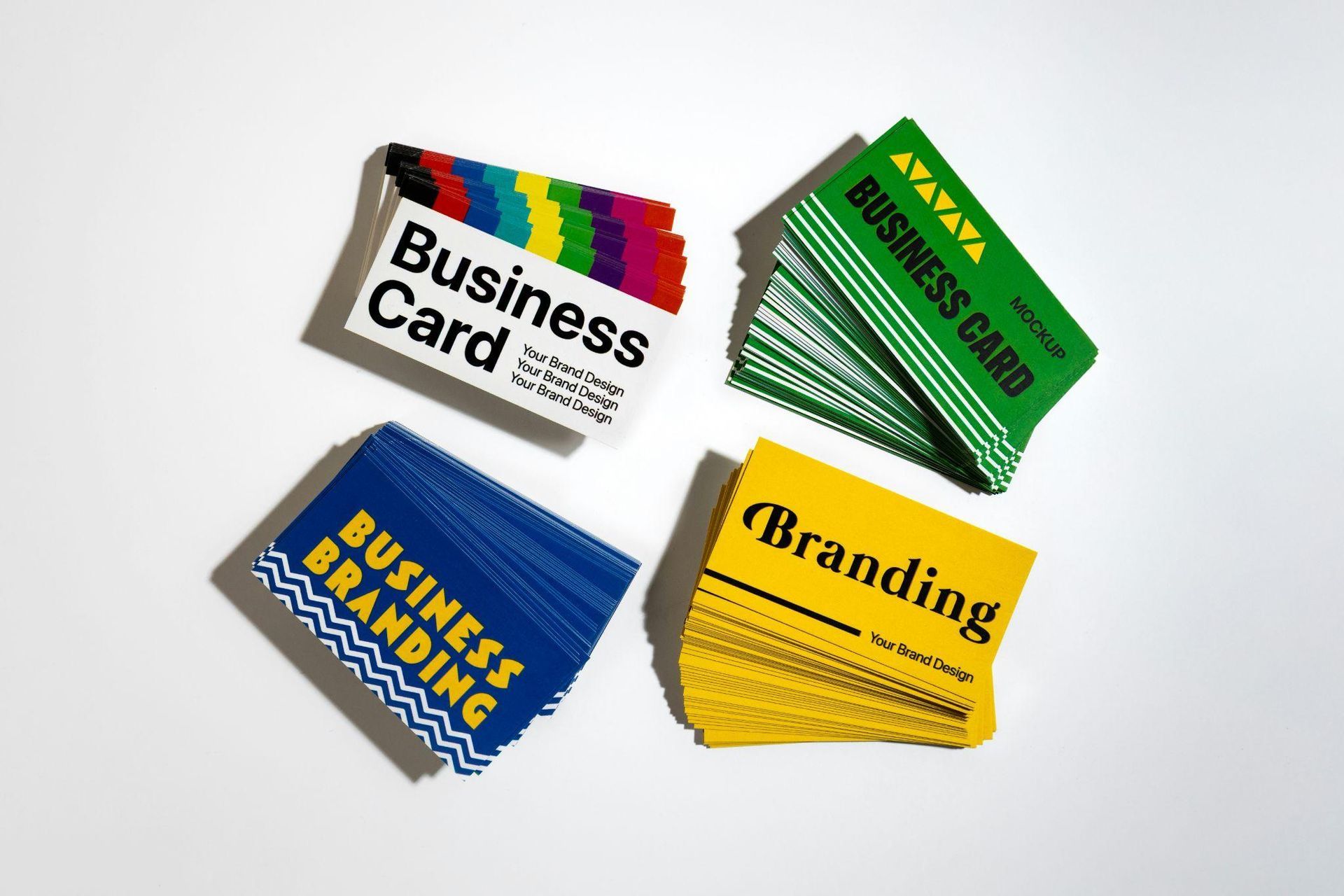
You've probably done it yourself dozens of times without noticing. You land on a business website and, within seconds, make a judgement about whether the company looks credible, professional and worth your time. You might not have read more than a headline or looked beyond the first screen, but an impression has already formed. Potential customers do exactly the same thing when they visit your website. Website design, loading speed, mobile usability, images, navigation and the words at the top of the page all contribute to that first impression. If these elements work together, visitors have a reason to keep exploring. If they create confusion or doubt, it takes very little effort for someone to return to Google and choose another business. Understanding what customers notice during those first few seconds can help you build a website that earns attention rather than loses it. What Do Customers Notice First on a Website? Visitors rarely analyse individual design elements one by one. They take in the website as a whole. Layout is one of the first signals. A website with clear spacing, logical sections and an obvious hierarchy tends to be easier to understand than a page crowded with competing messages. Typography also contributes to the impression. Fonts should be easy to read, headings should stand apart from body copy and text needs enough space to breathe. Colour, photography and graphics can then reinforce the business's identity. Original photography can make a local business feel more genuine, while inconsistent imagery or excessive stock photography can make the website feel disconnected from the actual company. Performance matters too. A slow-loading page, broken element or website that is difficult to use on a phone can undermine confidence before a visitor has properly read the content. This is one reason SEO-friendly web design should consider design, website structure, mobile usability and search visibility together rather than treating each as a separate job. The strongest first impressions usually come from websites where all these elements support the same message.

Your kitchen table is not a meeting room. When a hot desk or bookable room is worth paying for as a solo web designer, and when it is money wasted.

Two weeks abroad won't hurt your web design business — until a client's site goes down and your login code lands on a SIM you left at home. Here's what breaks.
Search is shifting from rankings to AI recommendations. Learn how accounting firms stay visible in tools like ChatGPT, Gemini and why template sites fail.

A practical guide to what your hair salon website actually needs to attract local clients, rank on Google, and turn visitors into booked appointments.
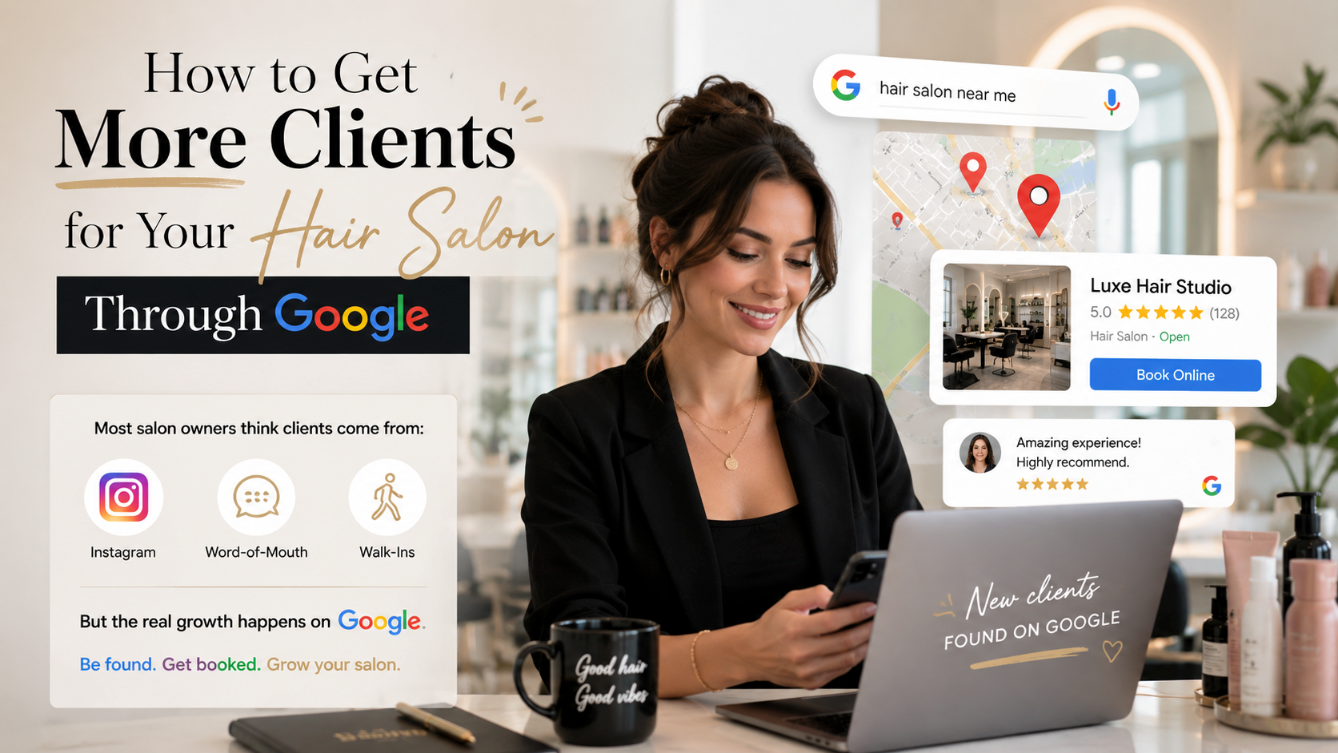
A practical guide for Australian hair salon owners covering local SEO, Google Business Profile, reviews, and website strategies that bring in new bookings.

A practical guide to what your denture clinic website actually needs to attract local patients, rank on Google, and turn visitors into booked appointments.
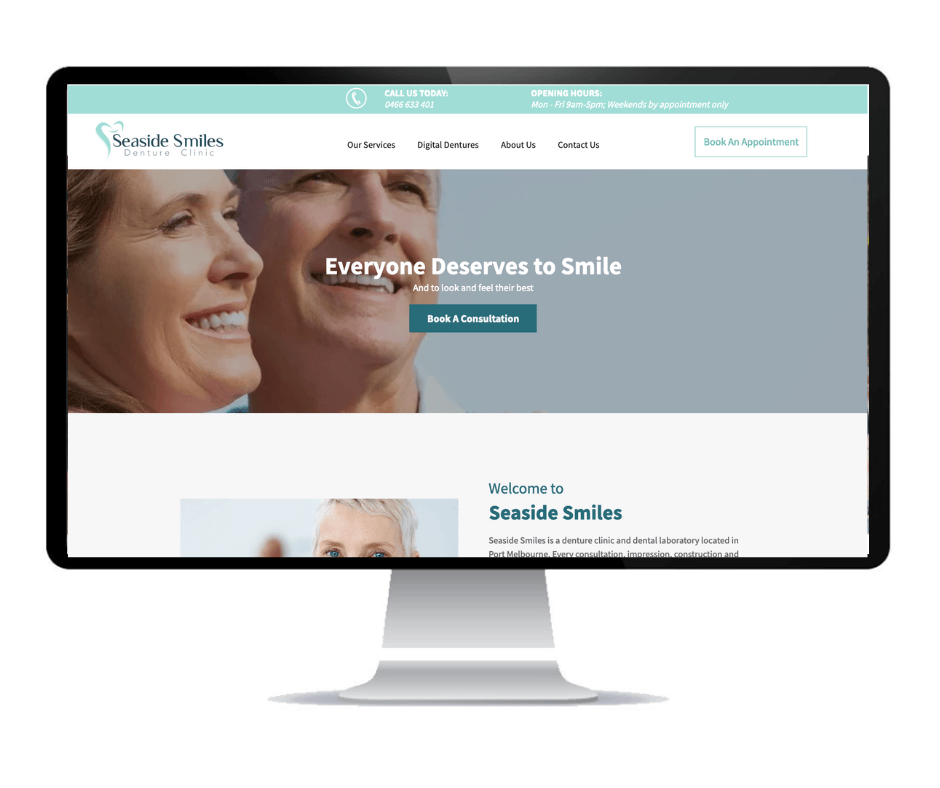
See how Social Space redesigned a 10-year-old WordPress site for Seaside Smiles Denture Clinic in Port Melbourne. More enquiries, easier to manage, built on Duda.

Discover why content, social media, and search engines now function as one connected system — and how an integrated strategy can boost your visibility and reach.

AI search is reshaping how customers find local businesses. Learn how local SEO services help you stay visible and competitive in 2026.
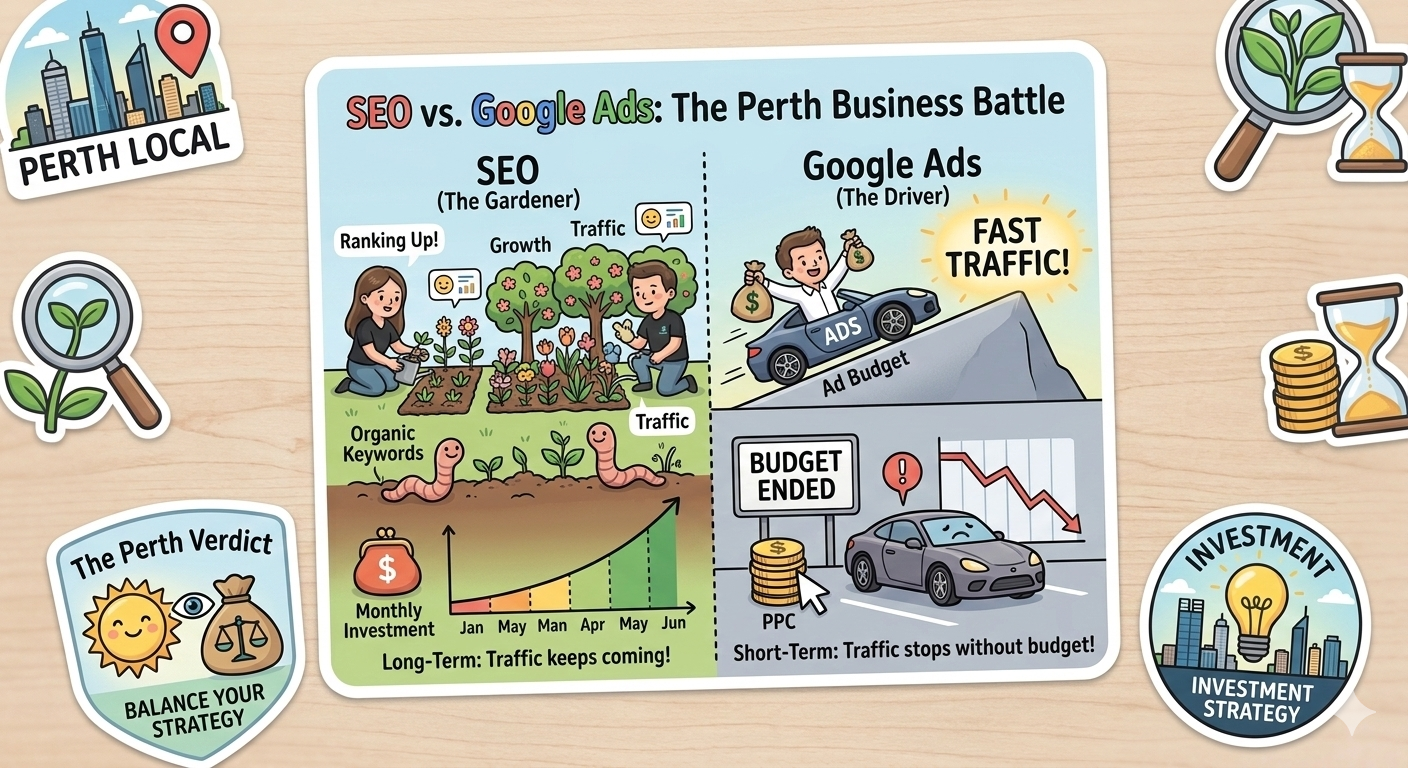
Comparing SEO proposals in Australia in 2026, the price spectrum can be jarring. One quote might land under $1,000 a month, while another exceeds $4,500...

Why do some ugly websites rank so well? Learn how simple design, fast performance, and content-first structure can give visually basic sites a real SEO advantage.

How User Experience Impacts SEO? SEO in 2026 isn’t just about putting in keywords or chasing backlinks anymore. Search engines have gotten smarter.

Learn how keyword stuffing can damage SEO, readability and visibility in the age of AI search, and what to do instead for more natural, sustainable results.

Your website could be bleeding revenue right now. Discover the 3 hidden flaws costing small businesses thousands—before your competitors steal your customers.

Want to know how to stay safe online in 2026? Learn how to do this more easily with these simple steps designed to protect your privacy and online activities.

A sleek website means nothing if it's slow or unreliable. Here's why Australian businesses are putting website hosting first when building sites that convert and scale.
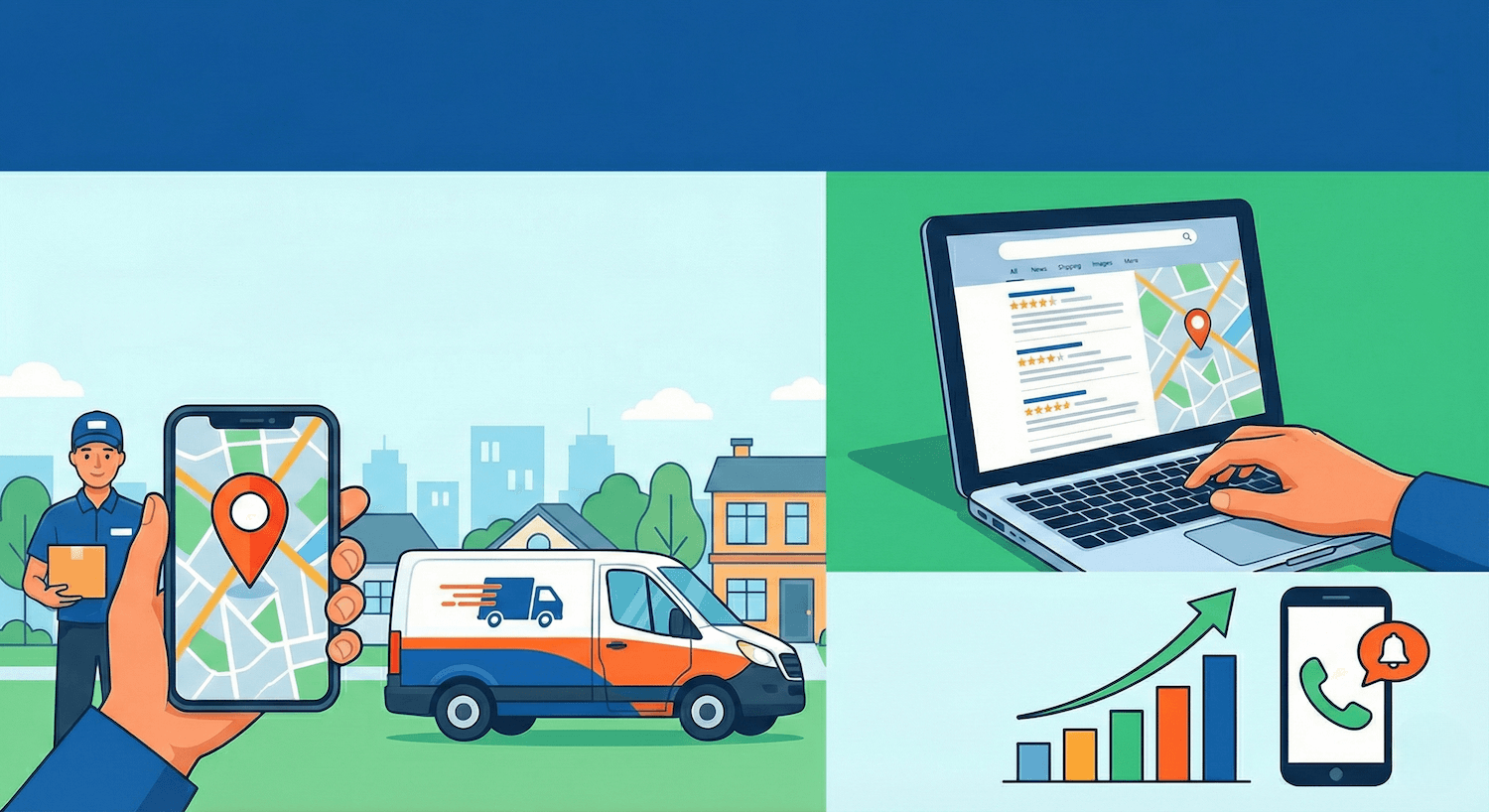
When companies and retailers need courier services, they often prefer to go with local providers. This enables them to streamline their logistics operations, which leads to faster pickups, predictable delivery windows, and prompt customer support. Additionally, proximity builds trust and reduces perceived risk, which is pivotal in today’s volatile markets. Therefore, courier businesses must be visible to their local leads and potential clients whenever they need shipping services. To do so, they need to dive into how their prospects look for courier services. Typically, companies and retailers search for phrases like “courier service near me” or “same-day delivery in [city]” on Google, and pick one of the top 3-5 options based on how they appear. Your courier business can be one of the top three options in any desired geographical area through strategic local SEO. In this article, let’s look at how you can enhance the visibility of your courier business through local SEO to get more delivery enquiries. 1. Build Service-Area-Focused Location Pages Service-area-focused location pages target a specific city or defined service region, such as Sydney or South West Australia. These pages clearly mention the exact suburbs, hubs, or service zones covered. They also highlight where express courier services are available, helping users quickly understand delivery speed and local service coverage. This creates relevance at a local, more relatable level. Your potential customer will know which shipping and fulfilment services are offered in their location. Consequently, they can quickly make the decision to call you up for a quotation. Furthermore, you can target city-specific keywords, increasing your business’ visibility. If possible, consider sharing testimonials and success stories from that service area. This will boost credibility in local circles. Apart from satisfying user intent on a granular level, you can also help Google confidently recommend your courier company in map packs and organic results. An effective way to approach this is to create a service-area-focused landing page template where everything from URL structure to the flow of sections is outlined. This will accelerate landing page content creation. While the format of landing pages depends on the nature of your shipping services and the nuances of your offerings, there are a few constants. For instance, a city-based headline, service overviews, contact information, call to action, and case studies are essential components. 2. Collect and Display Local Reviews and Testimonials Local brands and regional companies seek reliable and cost-effective shipping and logistics solutions. Hence, it’s pivotal to collect as many reviews and testimonials from your clients and display them on Google and on your website.

Shocking: DIY real estate websites destroyed 17 agencies last January alone. See the $45,000 legal bills, lost millions, and security disasters inside.

Last week, I watched a client nearly cry. Not from joy about their gorgeous new $30,000 website—but from frustration as they manually copied their 47th order of the day from their website into MYOB. "There has to be a better way," they said, rubbing their eyes at 7pm on a Friday. There is. But nobody told them about it when they commissioned their website. Nobody mentioned that their stunning online presence would become a beautiful prison of copy-paste hell. Nobody explained that without third-party integrations, their Ferrari of a website would be running on bicycle wheels. Welcome to the world of disconnected systems—where Melbourne businesses lose thousands of hours (and dollars) every year because their website doesn't actually talk to the tools that run their business.

Discover how AI-powered digital signage is revolutionising Australian retail, creating powerful connections between physical stores and digital marketing while boosting local SEO performance.

Discover why 81% of Aussies search online for local services weekly and how your law firm can dominate Google's Map Pack to attract more clients. Practical, no-BS guide to local SEO.

This One SEO Mistake Is Killing Your Moving Business! Discover the Local SEO Secrets That Turn Searches Into Bookings (Before Your Competitors Do)

Discover how small businesses can stay competitive in the age of AI-powered search. Learn practical strategies to ensure your business appears when AI tools like ChatGPT recommend local services to potential customers.

Discover why page speed is important for SEO, user experience, and conversions. Learn how fast load times and tools, like Convertri, can help.
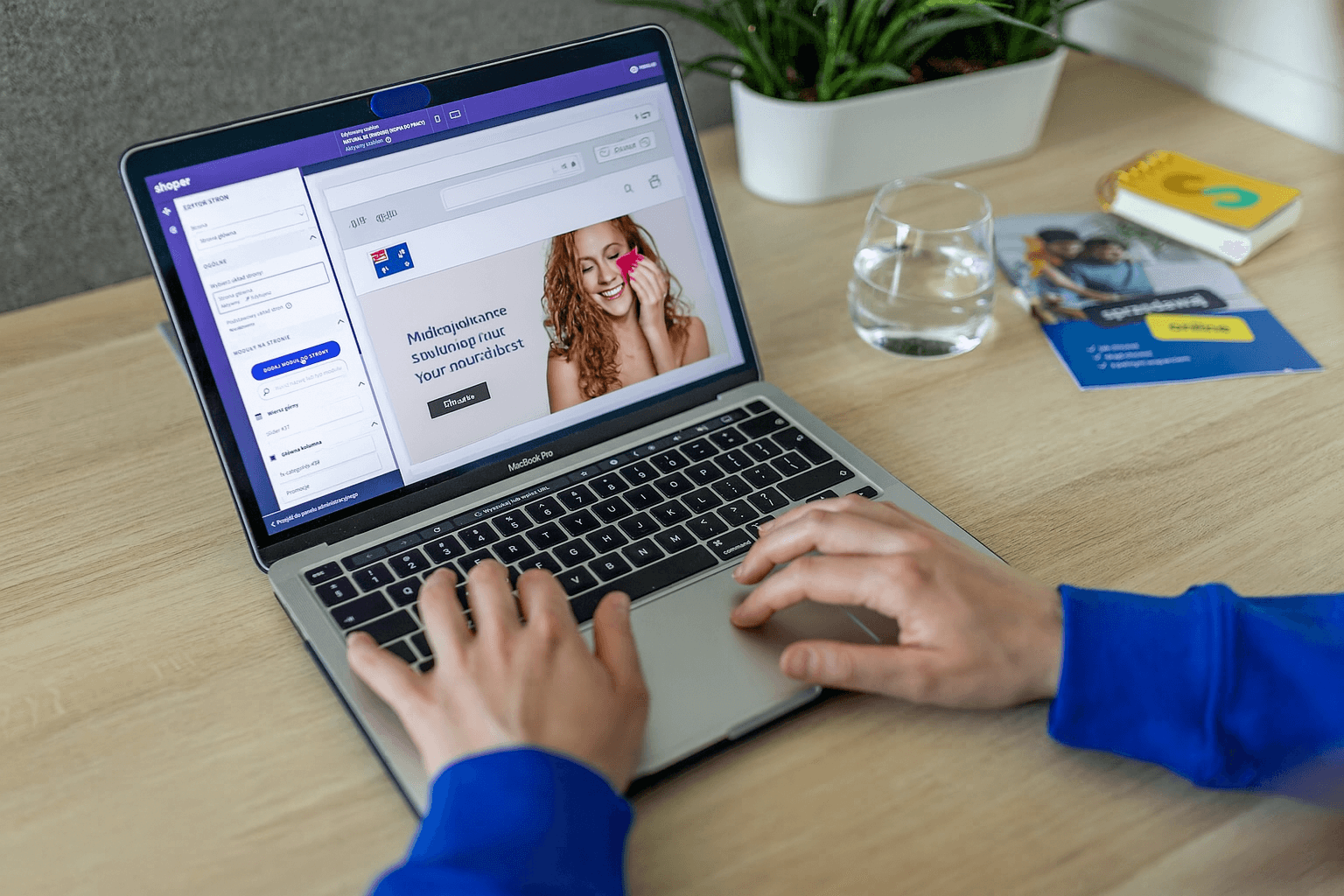
Discover Australia's best eCommerce SEO agencies that are driving 6-figure growth for online stores. From Shopify to enterprise platforms - find your perfect match.

From Ten-Blue Links to Infinite Answers Google’s shift from static snippets to Gemini-powered “AI Overviews” is the most radical redesign of results pages since universal search. Instead of a single paragraph drawn from one website, Gemini now composes a multi-sentence answer, complete with cited sources, follow-up prompts, and live data panels. For Australian businesses that rely on organic visibility—from fintech scale-ups in Sydney to tourism operators in the Top End, the playing field has changed overnight. Ranking position still matters, but earning a place inside the Overview has become the new apex of search performance. Understanding Gemini’s Retrieval-and-Synthesis Engine Gemini does not simply pull text from the highest-ranking page. It parses the query, breaks it into sub-questions, and then retrieves passages from multiple URLs that best match each facet. These passages are fed through a large-language model fine-tuned on factual grounding, which assembles a coherent answer and attaches citation chips next to each factual statement. Because the model works at entity level—recognising companies, products, locations, and even Australian regulatory acts—content optimised around clear entities is far more likely to surface. Pages that bury key terms in marketing fluff, or that lack structured data, risk being overlooked even if they previously ranked first. The Three Pillars of Post-Overview Optimisation 1. Entity-Rich Publishing Schema markup is no longer optional. Use WebPage, Product, and FAQPage schemas to spell out canonical names, ABNs, SKUs, and geographic coverage. Within the prose, reinforce these entities naturally: “ASIC-licensed mortgage broker in Melbourne” is clearer to Gemini than “trusted lending partner.” Internal linking should mimic a knowledge graph—home-page to service-page to case study—so the crawler can map relationships with minimal uncertainty. 2. Conversational Query Mapping Generative results shine when the searcher asks compound or long-tail questions, like “Can a sole trader in Queensland deduct a work ute under instant asset write-off rules?” Traditional keyword lists won’t cut it. Build a question matrix by scraping your own site-search logs, examining People Also Ask boxes, and interviewing customer-service teams. Create or expand content that answers those questions in the exact conversational style users employ. Midway through your content planning, sanity-check revenue projections with an SEO ROI calculator to ensure the long-tail lift justifies production cost. 3. Real-Time Citation Readiness Gemini rewards freshness. If your sector moves quickly—think crypto regulation updates or AFL fixture changes, embed up-to-date facts near the top of the page and timestamp them visibly. Use HTML time tags so Google can parse recency. When major announcements break, update existing URLs rather than spinning up new ones; persistent addresses accumulate authority, and Gemini prefers stable sources it can revisit for real-time pulls. Technical Tweaks that Move the Needle Server latency is often ignored in SEO discussions, yet it now influences how fast Gemini can fetch passages for large-batch synthesis. Switching to an Australian edge location on your CDN trims round-trip time and may help time-sensitive pages edge into the Overview. Likewise, enable HTTP/2 push for critical CSS so render time does not hinder passage evaluation. On the content side, craft succinct, evidence-backed statements. Gemini lifts sentences wholesale, and a 25-word claim is more likely to appear—complete with your citation—than a 200-word anecdote. For data points unique to your organisation, host the source table or white paper on the same domain; off-loading to a PDF hidden behind a form leaves Gemini blind. Measurement: Beyond Vanity Visibility Impressions alone underreport success because Gemini often satisfies the query before users scroll. Track clicks on citation chips via utm_source=google&utm_medium=overview parameters, then reconcile those visits with post-click behaviour. In early pilots, Australian ecommerce brands have seen Overview traffic convert 18 percent higher than classic organic sessions, likely because Gemini pre-qualifies intent. Meanwhile, pages relegated to “web results” below the Overview witness cannibalisation rates of up to 30 percent.

Melbourne startups in 2025 are prioritising local SEO to boost visibility, drive growth, and stay competitive in a crowded digital market.
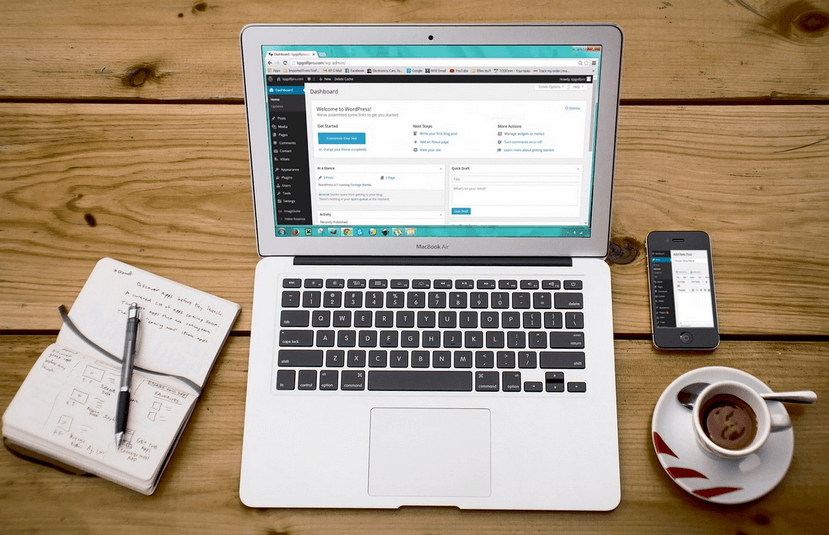
On-page SEO audits help you beat your competition by checking your strategy vs competitors. Keep reading to check how to conduct an audit.

Website structure is more important for your rankings than you think. Discover how various SEO website design elements can impact your rankings.
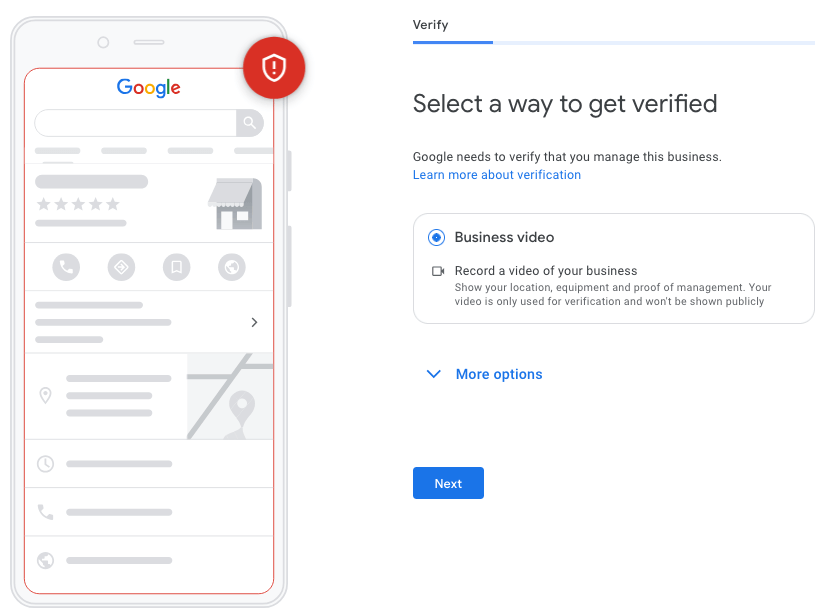
Struggling with Google Business video verification? Learn 9 effective tips to bypass it and get your profile verified quickly and hassle-free!

Discover 10 common website mistakes that hurt conversions. Learn how to fix these errors and turn your site into a conversion machine.
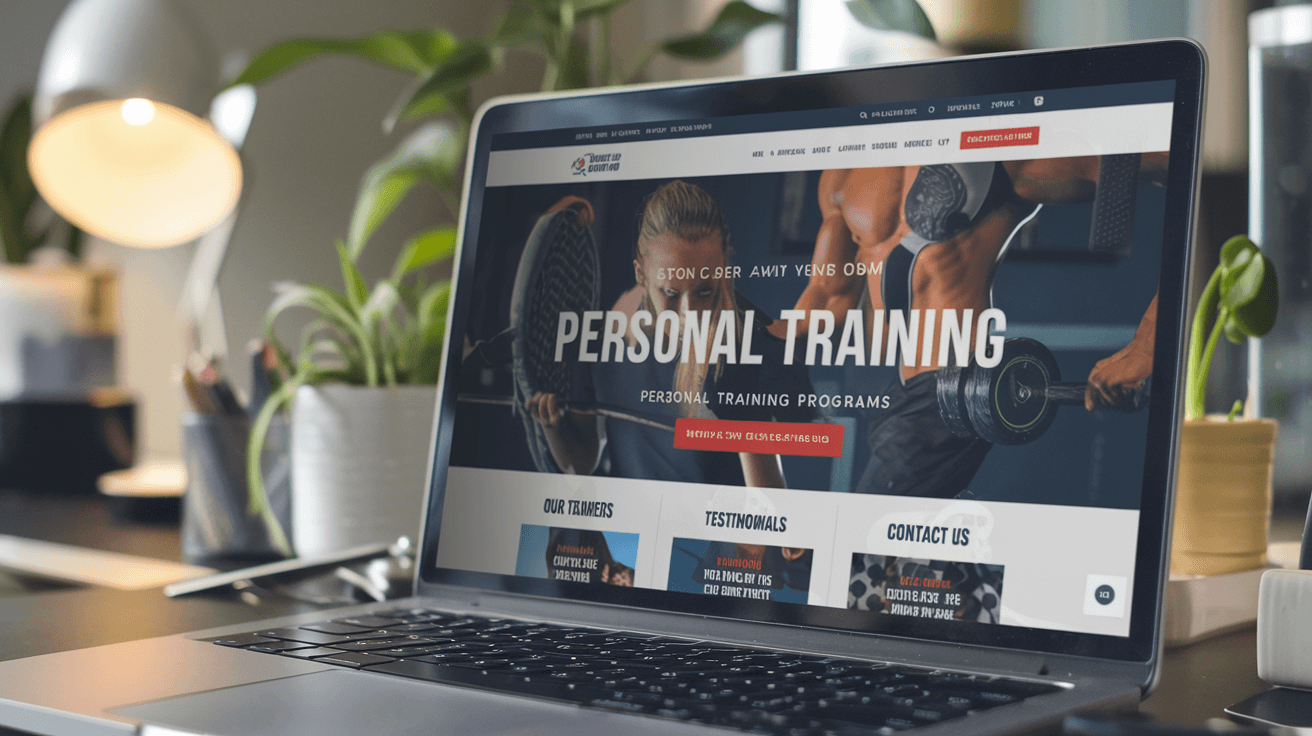
Elevate your personal training business by integrating Local SEO and custom web design to attract more local clients and stand out in a competitive market.

Learn why personal trainers need a custom website to boost credibility, attract clients, and grow their business. Key features that make your website stand out.

Is your website losing potential customers? Discover the 7 critical mistakes you must remove now to boost conversions and grow your business effectively.

Explore 7 smart reasons why hiring a local Australian web designer is better for your business, offering you local knowledge and fast support.

7 Tips To Build An Effective SEO Strategy to Rank a Website - 1.Keyword Research, 2.Content Quality and Structure, 3.Mobile Optimisation, 4.Consider Link-Building, 5.Competitive Analysis...

Boost your local SEO with FREE tools! Discover how to optimize your business for local searches, attract more customers, and outshine competitors

In a marketplace teeming with websites and apps, mere usability will not do. To truly capture attention and loyalty, your UX must be memorable, creating an emotional bond that stops visitors from bouncing.

Mobile Search Engine Optimization (SEO) means optimizing your website making it accessible to mobile devices such as smartphones and tablets. Essentially, mobile SEO entails streamlining your website for easy accessibility, navigation, and readability on smaller screens, which is important because people often use their mobile devices to search for information, products, and services while on-the-go